As a landmark moment in Sri Lanka’s digital economy for 2026, the island-wide Zero MDR (Merchant Discount Rate) facility is set to go live tomorrow, April 6. Today, we explore how this change impacts the average consumer and small-to-medium business owners.
What exactly is Zero MDR?
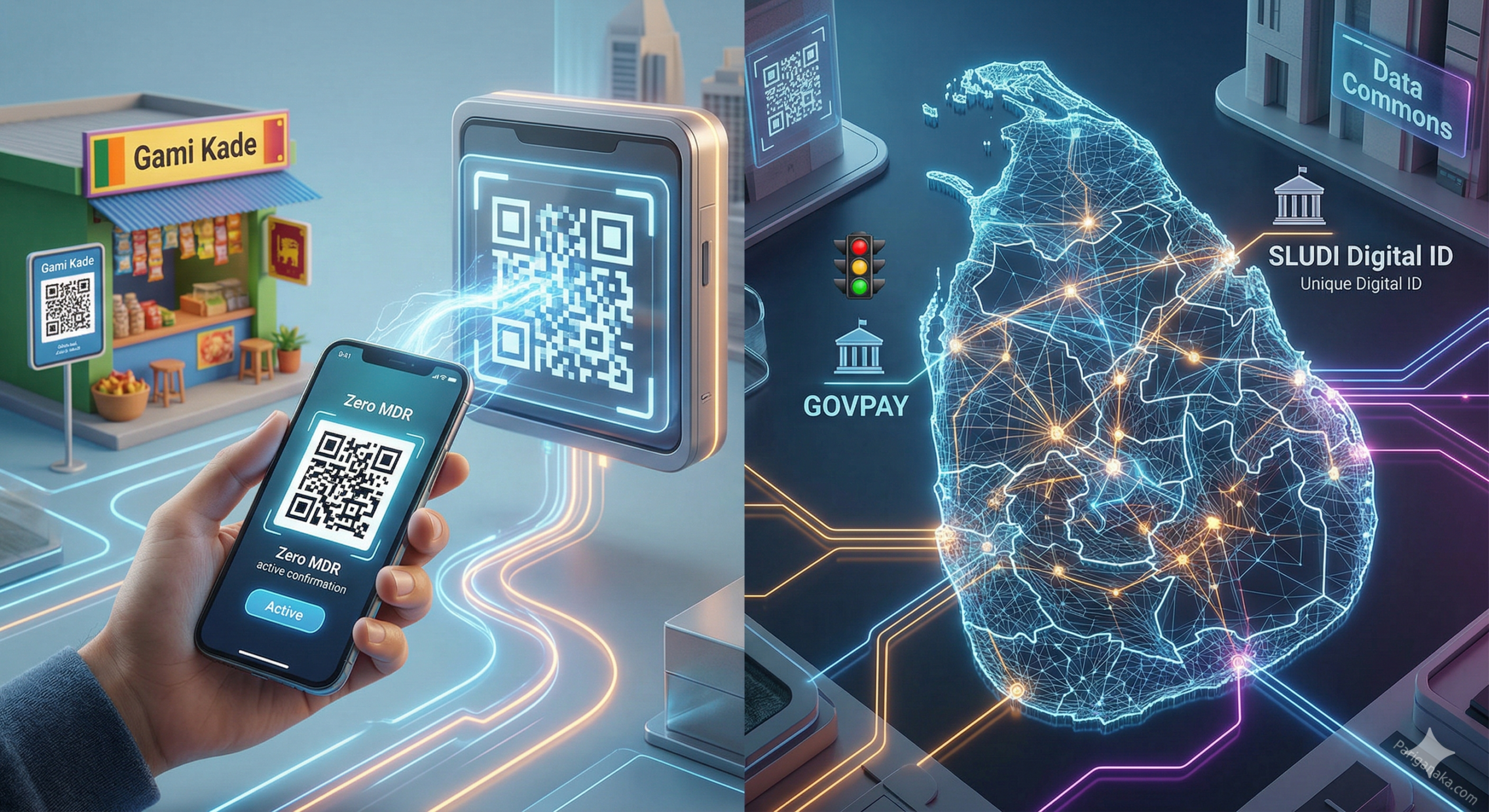
Previously, when you made a payment via a QR code at a retail store, the bank charged the merchant a percentage fee (MDR). This led many small shop owners to hesitate in accepting QR payments. Starting tomorrow, this fee is abolished, with the banking system absorbing the total operational costs to encourage a cashless society.
What are the benefits for you?
- Relief for Small Vendors: You can now pay via QR at your local tea shop or grocery store without any hidden additional costs to the vendor.
- Freedom from Physical Cash: Digital transactions will expand further, providing seamless payments even when you aren’t carrying a physical wallet.
- Digitization of Public Services: Through the government’s GovPay system, everything from paying traffic fines to other state fees will become simplified and instant.
The 2026 Digital Roadmap
According to the Ministry of Digital Economy, this is just the beginning. By the end of 2026:
- Digital ID (SLUDI): Every citizen will transition from a physical NIC to a Unique Digital Identity.
- The Super App: All government services—from Grama Niladhari certifications to license renewals—will be accessible via a single mobile application.
The Pariganaka Perspective
With over 15 years of experience in tech journalism, we at Pariganaka.com believe that “transaction cost” was the biggest hurdle in taking technology to the rural masses. This joint decision by the government and the banking sector is a masterstroke in driving Sri Lanka into a true digital era.
Leave a Reply