
As artificial intelligence takes center stage in global geopolitics and high-stakes diplomatic summits, the reality of how AI is being built on the ground in China reveals a fascinating story of ambition, massive infrastructure, and societal transformation.
The Infrastructure Boom: Data Centers in Inner Mongolia
To understand the scale of China’s push toward artificial intelligence, reporting from remote regions like Inner Mongolia highlights the staggering physical transformation underway.
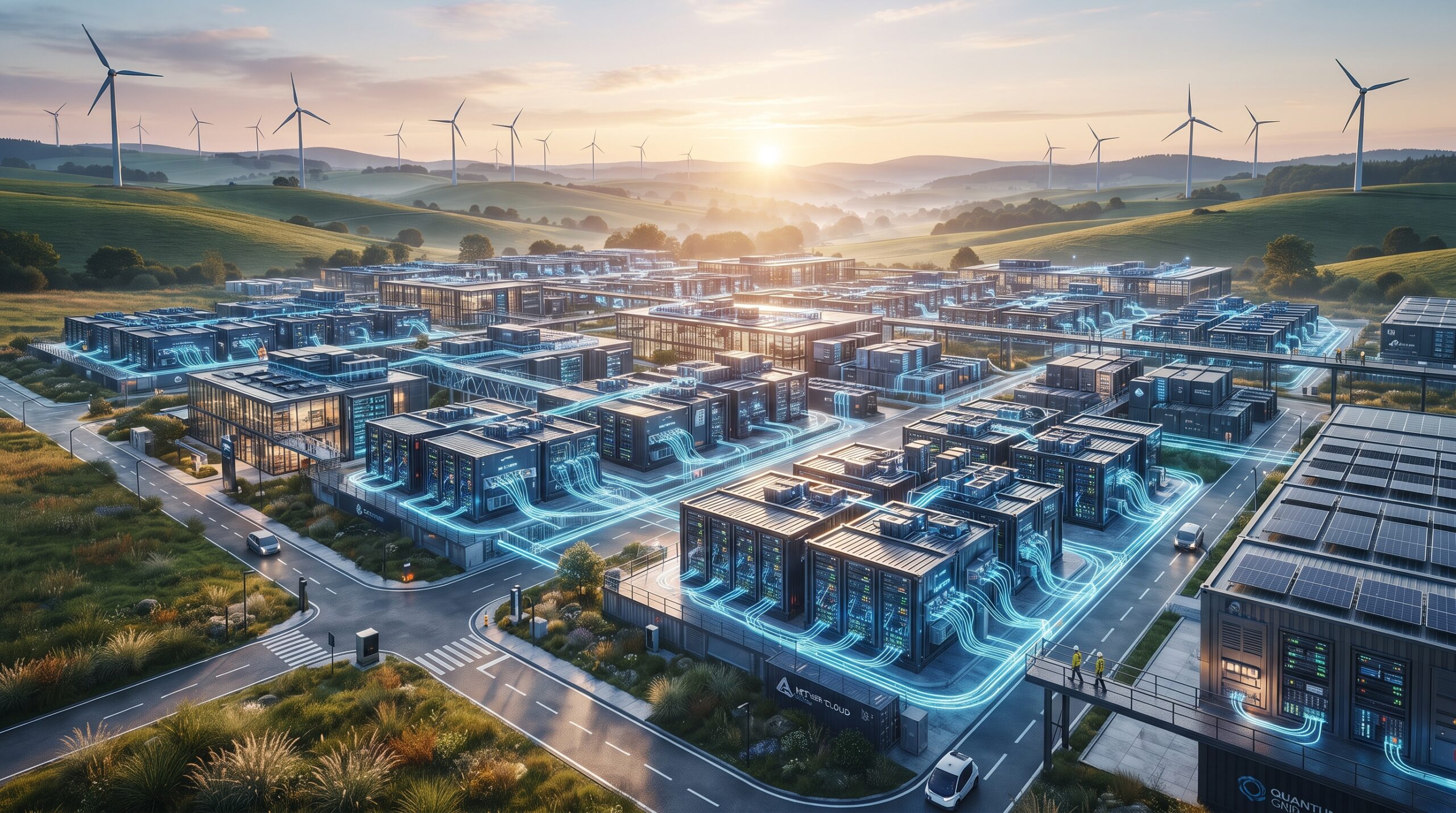
- Vast Spaces and Renewable Energy: China has strategically positioned massive data center clusters in open regions like Inner Mongolia. These facilities require vast expanses of land and immense power, with Beijing pushing for data centers to be heavily powered by renewable energy sources such as towering wind turbines and sprawling sea-of-solar panels.
- “China Speed”: Spanning miles across former farmland, massive container-like data storage structures are rising at an unprecedented pace. Backed by multi-billion-dollar investments, new construction phases roll out continuously, showcasing the state’s signature rapid infrastructure deployment.
- Local Sentiment: While construction jobs provide immediate economic activity, local sentiment remains mixed. Some residents view the technological push as a source of national pride and modernization, while others—particularly local farmers—express concerns over land use, environmental impact, and a lack of direct economic benefits for rural communities.
Bridging Two Worlds: The Tale of Two Chinas
Traveling through these regions highlights a striking juxtaposition: hyper-modern, multi-billion-dollar tech initiatives operating alongside traditional, rural lifestyles.
While urban centers and tech hubs race toward cutting-edge machine learning and large language model development, many rural herdsmen and farmers remain entirely detached from everyday AI use. For many ordinary citizens struggling with local employment and living costs, artificial intelligence is viewed less as a tool for daily life and more as a high-level geopolitical bargaining chip for Beijing on the global stage.
Educating the Next Generation: AI from Kindergarten Up
Beyond physical infrastructure, China is aggressively embedding artificial intelligence into its educational framework and talent retention strategies:
- Early Integration: AI and robotics education is integrated directly into school curricula starting as early as kindergarten. Children grow up interacting with AI-powered companions and chess-playing robots, normalizing co-existence with intelligent machines from an early age.
- Adult Learning and Startups: Adult education centers for AI are scattered across the country, while university students specializing in biotechnology and artificial intelligence are heavily encouraged to stay.
- Retaining Homegrown Talent: Due to tightening visa hurdles abroad and robust government backing—including grants and incubation support for domestic AI startups—China is successfully retaining top-tier technical talent within its own borders.
The Geopolitical Stakes
As world leaders meet to negotiate trade, security, and technological dominance, artificial intelligence has become the ultimate benchmark of national power. While questions linger over whether AI can single-handedly rescue broader economic headwinds, China’s aggressive strategy in infrastructure, education, and state-backed innovation ensures that the nation remains a formidable force in the global AI race.
Leave a Reply