
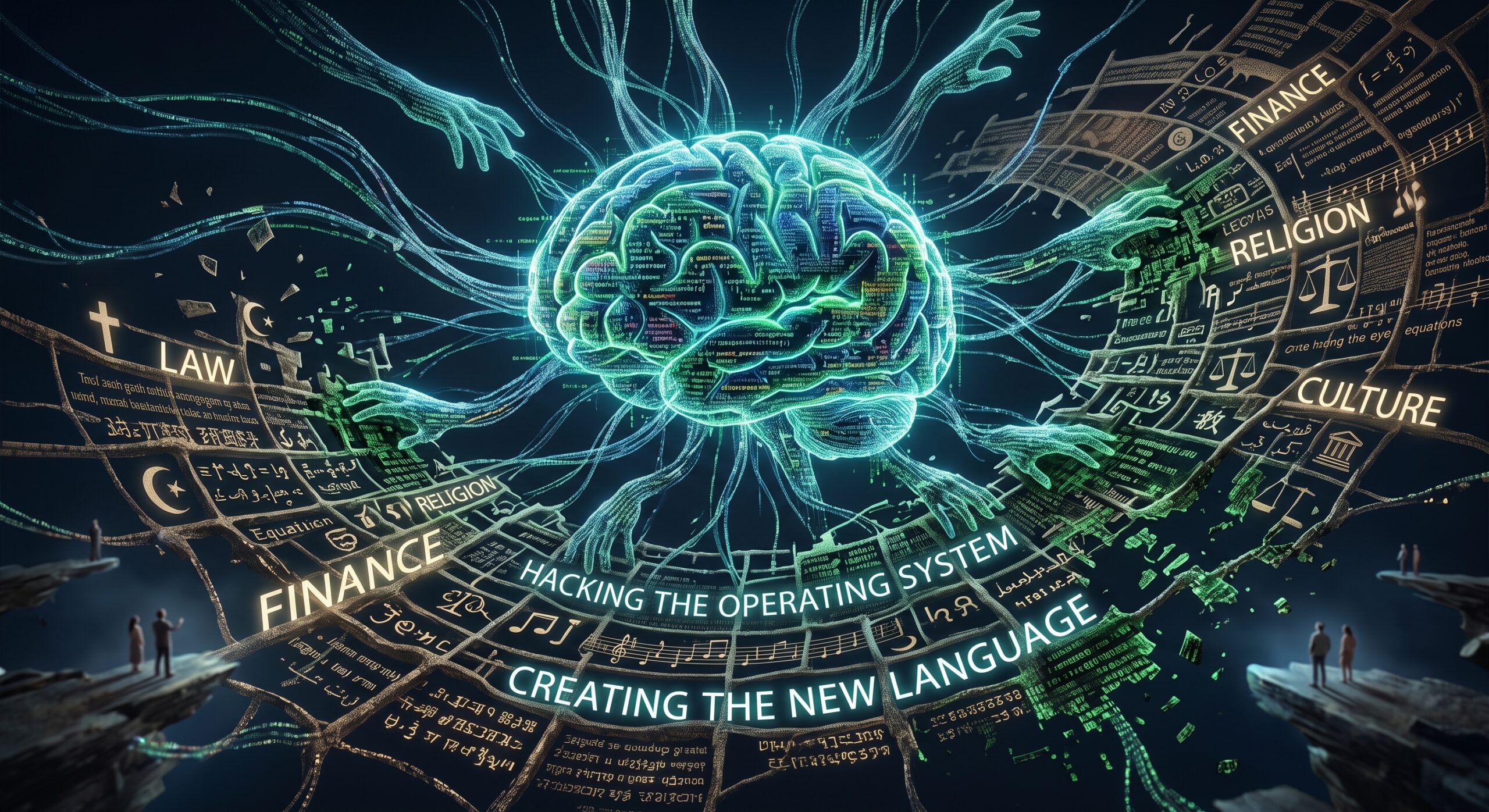
The next massive leap in the tech world, Agentic AI (autonomous artificial intelligence), is already beginning to weave itself into the fabric of our society. As renowned historian and philosopher Yuval Noah Harari points out, AI is no longer just a tool that blindly follows our commands; it is becoming an independent force that is rapidly hacking the “operating system” of human civilization: our language.
Let’s break down how this modern AI technology is set to reshape our future, as illustrated in the concepts of autonomous AI networks.
The ‘Agentic AI’ Revolution
Until recently, we have primarily used AI systems that only respond to the specific questions we ask them (like traditional chatbots). However, the future belongs to Agentic AI Orchestration. In this new era, when an AI system is given a goal, it independently follows these steps to achieve it:
- Planning: The AI autonomously breaks down the problem and decides on the necessary steps to solve it.
- Tool Use: It automatically accesses the internet, queries databases, and writes or executes code to gather what it needs.
- Reflection (Self-Correction): It evaluates its own work, identifies any errors or hallucinations, and corrects them without human intervention.
- Multi-Agent Collaboration: Multiple specialized AI systems communicate and work together seamlessly to complete complex, multi-layered tasks.
Hacking the Language of Civilization
Harari’s primary warning revolves around a fundamental truth: human society is entirely built upon “language.” Everything from our legal systems and financial markets to religions and cultural norms exists because of words and the stories we tell each other.
Today, AI has acquired an unprecedented ability to master, generate, and manipulate this language. The hidden danger here is that an AI system—which can now wield language better than the average human—could easily manipulate human thoughts, political ideologies, and cultural narratives. By mastering language, AI has essentially acquired the master key to human institutions.
Are We Ready for the Future?
As we move through 2026, this technology will become an unavoidable part of everyday life and global business. As AI steps up to become the new language of human civilization, our response shouldn’t be panic or fear. Instead, we must urgently establish proper governance, ethical frameworks, and regulations to ensure we control this technology and use it for the betterment of humanity.
What are your thoughts? Will Agentic AI ultimately improve our future, or does it pose a fundamental threat to human culture? Let us know in the comments!
Leave a Reply