
For ’90s kids and early digital pioneers, the internet once felt like a much simpler, friendlier place. It was an era where online friendships were solidified through public “scraps,” heart-warming testimonials, and hyper-niche communities dedicated to quirky everyday topics like hating Mondays. Before Instagram turned everyone into photographers, LinkedIn made everyone thought leaders, and TikTok turned the world into content creators, Orkut was the undisputed king of social networking in major global markets.
Now, more than a decade after Google officially pulled the plug on the iconic platform, Orkut’s creator is asking a bold question: Is the internet ready to go back to its roots?
In a recent episode of Vantage on Firstpost, the potential revival of Orkut was analyzed—exploring why hundreds of thousands of users are rallying behind the idea and whether nostalgia alone can disrupt Meta’s social media monopoly.
The Campaign for a “Human” Internet
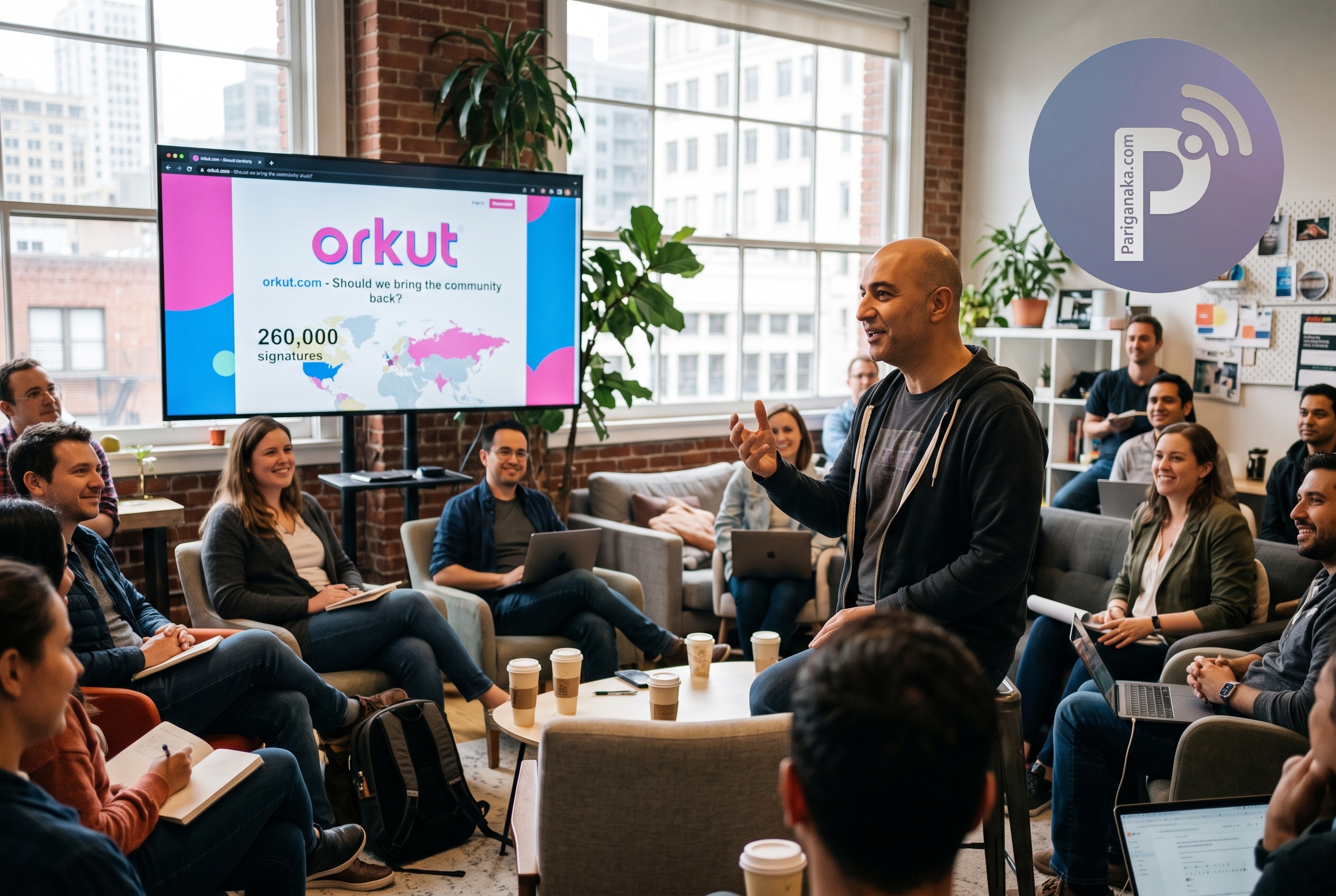
Orkut Büyükkökten, the Turkish engineer who built Orkut in 2004 while working at Google, has launched an open campaign on orkut.com to gauge global interest in bringing the platform back.
So far, the response has been remarkable: Over 266,000 signatures from 119 countries have already been registered.
However, Büyükkökten emphasizes that this is not yet an official product relaunch, but rather a movement to measure whether everyday internet users are fatigued by modern social media dynamics.
Why Social Media Has Lost Its Way
In an open letter to the public, Büyükkökten argues that modern social platforms have abandoned their founding mission. Instead of fostering authentic human connection and building tight-knit communities, today’s platforms prioritize:
- Algorithmic Engagement & Clickbait: Feeds designed to keep users doomscrolling through strangers’ lives rather than interacting with actual friends.
- Performativity Over Authenticity: Every post has become an exercise in personal branding, influencer marketing, or vanity metrics.
- AI-Generated Content & Bots: The rise of synthetic content, deepfakes, and automated bots that erode trust across digital feeds.
As highlighted in the Vantage report, society now possesses more communication tools than ever before—video calling across oceans, instant messaging dozens of people, and using AI to write replies—yet widespread feelings of digital isolation and burnout remain at an all-time high.
The Legacy: From Brazil and India to Google’s Sunset
When Orkut originally launched in 2004, it quickly became a cultural phenomenon, particularly dominating the social media landscape in India and Brazil. It offered millions of users their very first taste of online identity and community discovery.
Despite its loyal fanbase, Google officially shut Orkut down in September 2014 as it pivoted toward other social initiatives. Büyükkökten later attempted to recapture that early internet community spirit with a platform called Hello, which launched in 2016 and shut down in April 2022.
Can Nostalgia Beat the Tech Giants?
While over a quarter-million people have expressed enthusiasm for Orkut’s return, building a sustainable platform in today’s landscape presents immense challenges:
- Changing Attention Spans: Modern users have been conditioned by short-form video algorithms and rapid dopamine loops, making a return to text- and community-focused feeds a massive behavioral shift.
- Entrenched Monopolies: Any revived platform must compete against giant ecosystems like Meta (Instagram, WhatsApp, Facebook) and TikTok, which dominate global ad revenue and user habits.
- Sustained Engagement vs. Nostalgia: While nostalgia can drive initial media buzz and sign-ups, keeping users active on a daily basis requires long-term product utility.
Final Thoughts
The overwhelming interest in Orkut’s potential revival signals a growing desire for a less toxic, more human social network. Whether Orkut officially returns or inspires a new wave of community-first platforms, one thing is clear: users around the world are increasingly hungry for spaces where they can simply connect without being converted into content or algorithmic data points.
Source Video: Meta, Beware! OG Orkut May Return: Founder Wants To Relaunch The Iconic Platform | Vantage
Leave a Reply