
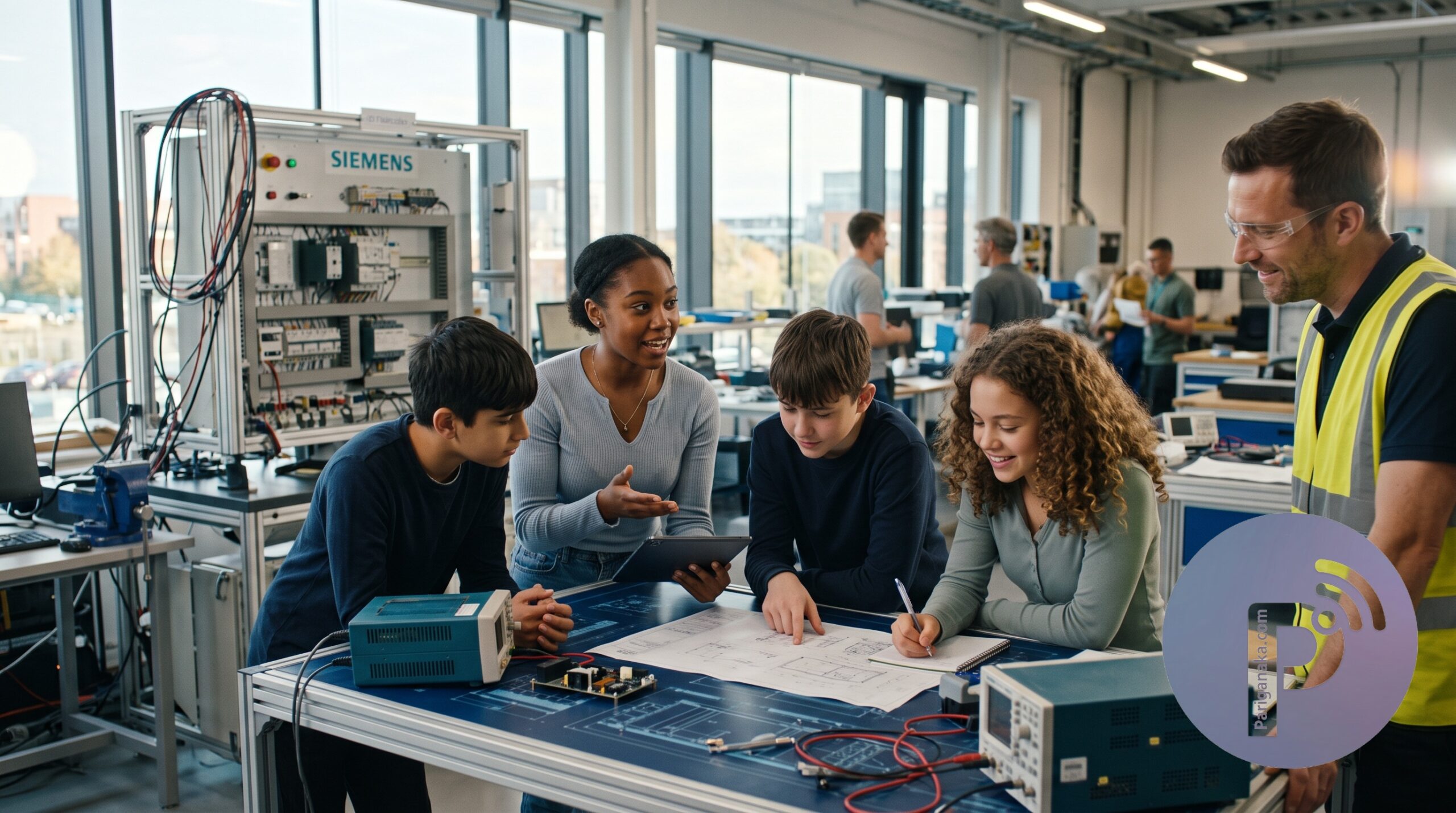
For many teenagers, the impending transition from school to the workforce is a source of immense stress, punctuated by the pressure of exams and a rapidly evolving digital landscape. A group of 15-year-old British students in their final year of GCSEs—Jasmine, Pyram, McKenzie, and Javaris—recently shared their candid thoughts, fears, and hopes regarding their futures, the modern workplace, and what the education system might be missing.
The Weight of Grades and Expectations For teenagers stepping into their final exam years, the future can seem incredibly daunting. Some students admitted to feeling “terrified” and having stressed periods where the concept of entering the workforce feels scary. The primary source of this anxiety stems from the immense pressure placed on academic performance. There is a lingering fear that making the wrong decision or failing to secure top grades will result in missing out on the right university courses and, ultimately, failing in life.
The Value of Hands-On Work Experience To combat the unknown, young people are asking for more comprehensive work experience opportunities. Over the summer, these students were given the chance to step out of their comfort zones and into real working environments, including testing test rigs at Siemens, inspecting council housing kitchens, and designing logos for a coastal cafe.
Through these placements, the teenagers realized the immense value of real-world exposure:
- Students expressed that work experience should be mandatory, as it is essential for learning what a career actually entails.
- The experiences helped them socialize with strangers and adapt to professional environments, bridging the gap between classroom physics and real-world application.
- Experiencing a standard 9-to-5 schedule gave them a newfound respect for everyday workers.
The Rise of AI in the Workplace Artificial Intelligence is a growing concern for students, with some expressing worry about competing with AI for future jobs. However, when questioning industry bosses, the students received a different perspective.
- Employers noted that while young people possess an inherent advantage by growing up in the digital age, they actively encourage AI training and application within their businesses.
- A notable piece of advice from a senior organizational leader was that workers shouldn’t necessarily fear losing their jobs to AI, but rather fear losing their jobs to somebody who knows AI better.
- Consequently, both students and employers agree that AI should be firmly integrated into the school curriculum.
Mind the Gap: What Schools Should Teach When reflecting on whether school is adequately preparing them for adulthood, the teenagers highlighted a significant gap between academic curriculums and practical life skills.
- Social Skills: Students emphasized that social skills are just as vital as academic ones; excellent grades mean little if a candidate cannot communicate professionally with an employer. Bosses echoed this, noting that heavy reliance on digital devices has made in-person social interaction a challenge for some new hires.
- Life Skills: The teens voiced a strong desire for schools to teach practical survival skills for the adult world, such as how to handle taxes, understand mortgages, and manage housing.
Celebrity Advice and Building Resilience To help ease their anxieties, the students received surprise visits from Jesse and Faz, former contestants on the reality show The Traitors. The guests shared their own varied career paths, emphasizing resilience and initiative:
- Show Initiative: Rather than just sending an email or reaching out on Instagram, they advised students to be bold and ask for work experience in person.
- Embrace Rejection: Applying for jobs often yields a “mixed bag” of rejections or ignored applications; students were advised not to get disheartened, as rejection is just part of the process.
- Grades Aren’t Everything: The guests served as prime examples that even if a student doesn’t achieve their desired grades, they can still build a successful career and a fulfilling life.
A Positive Outlook By the end of their summer work experiences and mentorship sessions, the students’ outlooks shifted dramatically. While some still had lingering concerns about AI and exams, they felt significantly more positive and reassured. They learned to reframe rejection, realizing that a “no” from an employer is simply an opportunity to ask for feedback, understand what went wrong, and use it to their advantage for the next opportunity. Ultimately, they realized that the future is flexible, and not getting perfect grades is not the end of the world.
Leave a Reply