
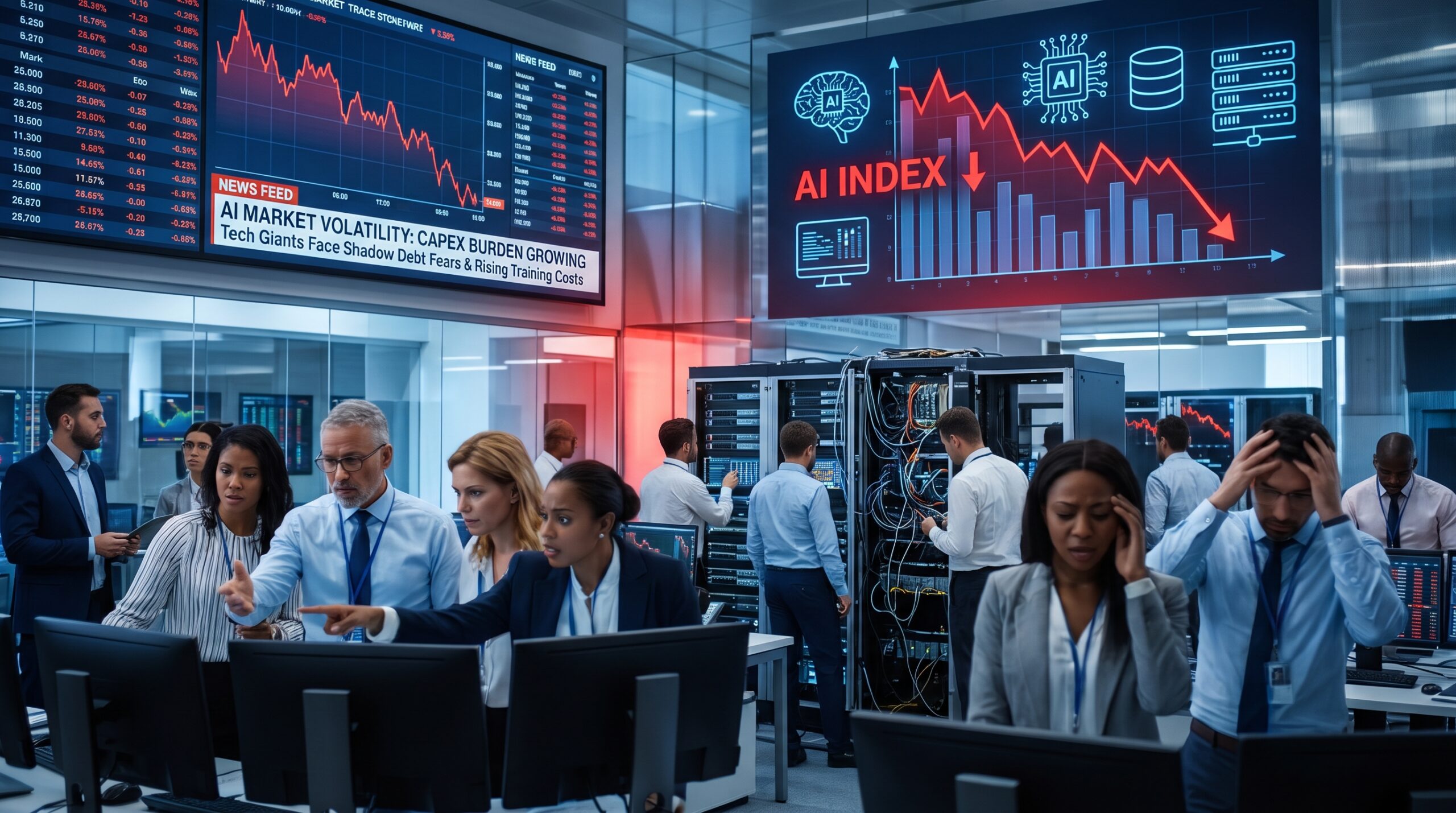
The rapid influx of capital into artificial intelligence has sparked a fierce debate over whether the tech sector is experiencing a massive market bubble. While some financial analysts view the current landscape as a generational investment cycle driven by a legitimate demand for data centers, others warn of systemic risks tied to astronomical infrastructure costs, uncertain profit margins, and emerging technological ceilings.
Major technology firms are currently sustaining unprecedented levels of capital expenditure (CapEx) to build out their AI capabilities. Estimates suggest that major hyperscalers—including Amazon, Microsoft, Alphabet, and Meta—will collectively spend over $7 trillion on data centers and AI-related infrastructure between 2025 and 2030. This aggressive spending is beginning to test investor patience, leading to significant market volatility as shareholders increasingly question whether the long-term returns can justify the sheer scale of these investments.
Beyond the visible CapEx, credit analysts are flagging concerns over financial liabilities growing in the shadows. There are fears that technology giants may hold more AI-linked debt than is currently transparent, often utilizing interconnected financing structures to prop up smaller AI startups. Furthermore, critics argue that the current AI economy is highly subsidized, with tech companies absorbing massive inference costs. This dynamic has led to warnings of a potential “subprime AI crisis,” which could trigger a market shock when corporations are eventually forced to charge end-users the actual operational costs of running advanced models.
These financial concerns are heavily compounded by emerging technological limitations. The industry’s prevailing strategy of scaling—adding more data and computing power to yield better models—is showing distinct signs of strain. Developers are rapidly exhausting useful training data, and the financial cost of training next-generation models is projected to soon exceed $10 billion. If simply increasing scale fails to deliver novel scientific breakthroughs or artificial general intelligence (AGI), the foundational bet driving the current AI boom could face a severe market reckoning.
Leave a Reply