
- Kimi K3 Maxes Out Servers: Just 48 hours after launching, Moonshot AI had to completely freeze new subscriptions for its massive 2.8 trillion-parameter open-weight AI model, Kimi K3, because extreme user demand pushed their cloud GPUs to the absolute limit.
- Hyundai Takes Full Control of Boston Dynamics: Hyundai is officially moving to buy out SoftBank’s remaining roughly 10% stake in Boston Dynamics for an estimated US$325 million, removing the pressure for a public IPO and allowing them to focus entirely on deploying Atlas humanoids into their auto factories.
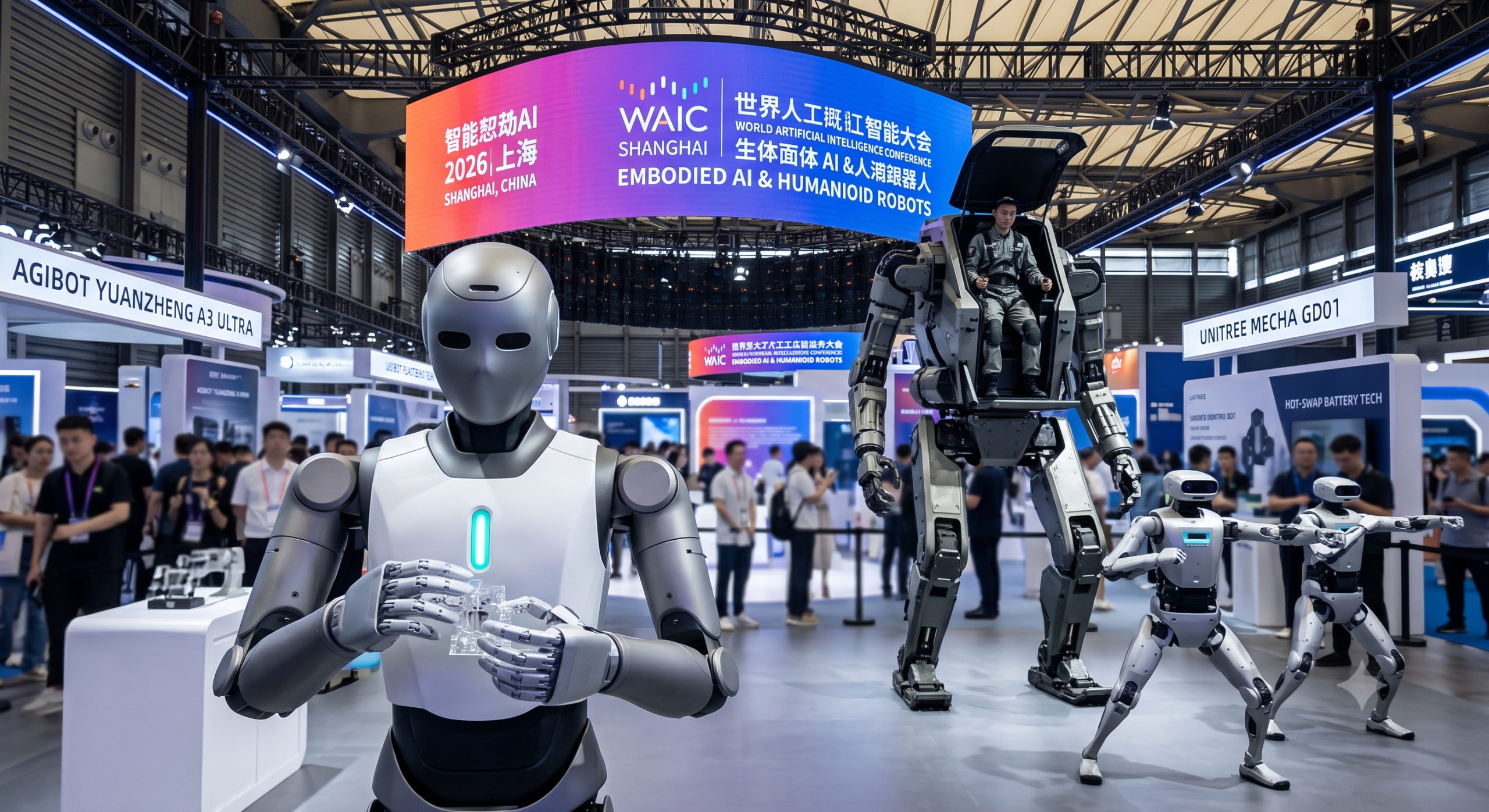
- Robotics Rule Shanghai: The massive World Artificial Intelligence Conference (WAIC 2026) just wrapped up with a flurry of humanoid robot debuts, including Unitree’s rideable mecha and AgiBot’s A3 Ultra. (Note: AgiBot’s heavily advertised claims that its A3 Ultra features an 8-hour battery life and 700 TOPS of compute are currently unverified company figures lacking any independent third-party testing).
The Two Sides: Jobs vs. AI Infrastructure
The intense demand for AI computing power over the last two days has highlighted a brutal corporate reality: legacy tech giants are reportedly gutting their traditional workforces to pay for AI hardware. For example, Oracle is facing scrutiny over reported plans to cut up to 30,000 employees to help fund a massive infrastructure partnership.
| The Debate | Big Tech & Investors (Side A) | Tech Workforce & Critics (Side B) |
| Core Argument | Massive AI data center projects require aggressive capital reallocation, even if it means cutting tens of thousands of traditional tech jobs. | Laying off vast numbers of skilled workers to fund an AI hardware bubble destroys company culture and operational stability. |
| The Justification | Securing high-performance GPUs and server space is an absolute, existential necessity to survive the modern AI race. | Mortgaging human talent for unproven, long-term AI returns leaves companies dangerously over-reliant on experimental tech. |
Why it matters
The last 48 hours prove that the AI revolution has violently collided with physical reality. Software models are becoming incredibly powerful and cheap, but the physical chips and power grids required to run them are severely bottlenecked. For independent digital strategists, developers, and solopreneurs building digital ecosystems from the ground up, this is a massive opportunity. The release of open-weight models like Kimi K3 means that single developers now have free access to enterprise-grade AI to automate their workflows, generate content, and manage multiple web properties. The future won’t belong to the massive corporations trying to build the biggest data centers; it will belong to the agile, independent creators who know how to plug these incredibly cheap, open-source AI tools into their own strategic frameworks to build audience trust and self-sustaining platforms.
How we got here
- Early 2026 (The Hardware Spend Surges): Major tech companies realize that staying competitive requires unprecedented investment in physical infrastructure, with foundries hitting massive Q2 revenue records largely driven by AI chip sales.
- July 16, 2026 (The Kimi K3 Launch): Moonshot AI drops Kimi K3, a staggering open-weight model with a 1-million-token context window, sending shockwaves through the market by proving top-tier AI can be easily accessible.
- July 19, 2026 (The Compute Wall): Exactly 48 hours later, the unprecedented public rush to use Kimi K3 forces Moonshot AI to immediately halt new subscriptions, publicly exposing the extreme limits of the world’s current cloud infrastructure.
Leave a Reply