
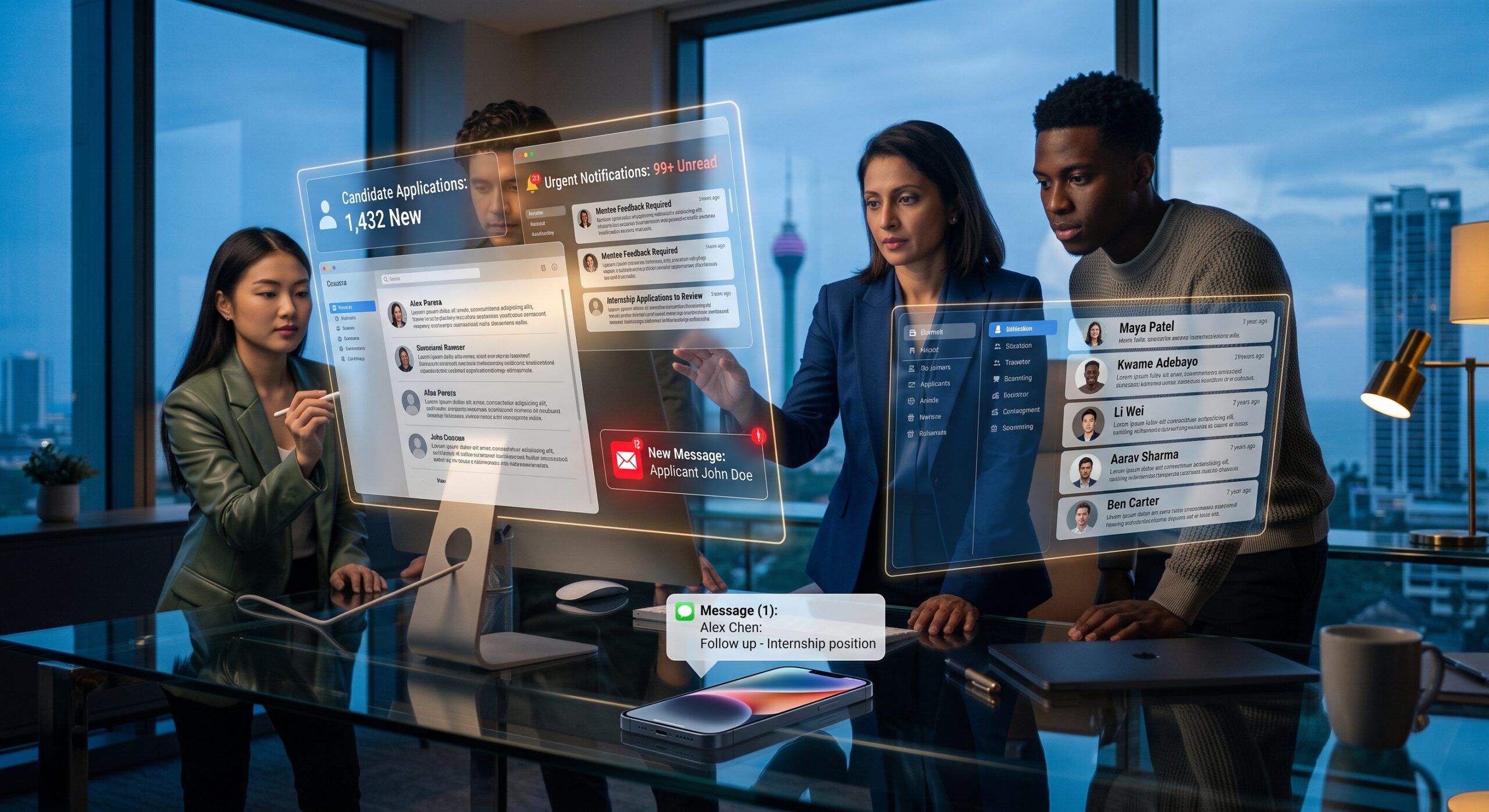
There is a striking, poetic irony in a corporate ecosystem accusing a younger generation of poor communication—an industry that famously invented the phrase, “We’ll get back to you.” For decades, that phrase has served as a polite burial ground for job applications, leaving candidates in a spiritual void of silence. Now, Gen Z has turned the tables, discovering the other side of that equation: accepting offers, signing contracts, and simply never showing up on day one.
Recent hiring data reveals that this phenomenon—often dubbed “career catfishing” or job ghosting—has evolved from an isolated quirk into a widespread corporate challenge. According to recent surveys of hiring managers and businesses across the UK and international markets, more than half of companies report candidates ghosting them after receiving a formal job offer, with a significant percentage completing onboarding paperwork only to vanish before their first shift.
1. The Scale of the Phenomenon and Financial Toll
The numbers surrounding Gen Z recruitment trends highlight a massive shift in candidate behavior. Studies show that a vast majority of young job seekers admit to flaking out of interviews or disappearing entirely after securing a position. For candidates, this behavior is viewed as a way to reclaim agency and feel in control of their career paths.
However, businesses are finding this game of corporate hide-and-seek remarkably expensive and disruptive. Over half of surveyed employers report that candidate ghosting has made recruitment significantly harder, driving up hiring costs and complicating selection processes. Some companies have resorted to extreme measures—such as blacklisting entire generations from applicant pools—though relying solely on older demographics is hardly a sustainable long-term strategy for corporate survival.
2. Who Taught Them to Ghost? The Automation Irony
Before placing the blame entirely on young job seekers, a more inconvenient question must be asked: Who normalized silence in the hiring process?
Ghosting did not originate with a 23-year-old ignoring an onboarding email. It began long before, with applications disappearing into automated black holes, recruiters promising Friday updates that never arrived, and job listings remaining active for months after positions were filled.
Furthermore, the explosion of AI in the recruitment space has accelerated this breakdown in communication. Companies use AI algorithms to filter through mountains of applications, while candidates use AI to generate and dispatch hundreds of resumes simultaneously. Everyone is drowning in automated emails, and everyone is complaining that nobody replies. By automating the entire recruitment lifecycle, organizations have effectively eliminated human conversation, replacing dialogue with friction.
3. A Conditioned Response to a Broken Process
Gen Z job seekers ghosting companies is rarely just about bad manners; it is a conditioned response to decades of corporate indifference. Workers have long been told to be professional, patient, and respectful of the hiring pipeline, yet the process has frequently failed to respect them back.
Entering a workforce defined by mass layoffs, rising inflation, automated rejection emails, and weeks of radio silence, young professionals have learned the lessons taught by the market. If silence and opacity are deemed acceptable practices when corporations hold the power, candidates see no reason why the rules should change when the power shifts.
While ghosting wastes valuable time and harms professional reputations, pretending this behavior emerged out of a vacuum is short-sighted. True professionalism in the modern workspace must work both ways. A simple, transparent communication standard benefits both sides of the hiring desk—proving that respect in the digital age requires mutual accountability.
Leave a Reply