
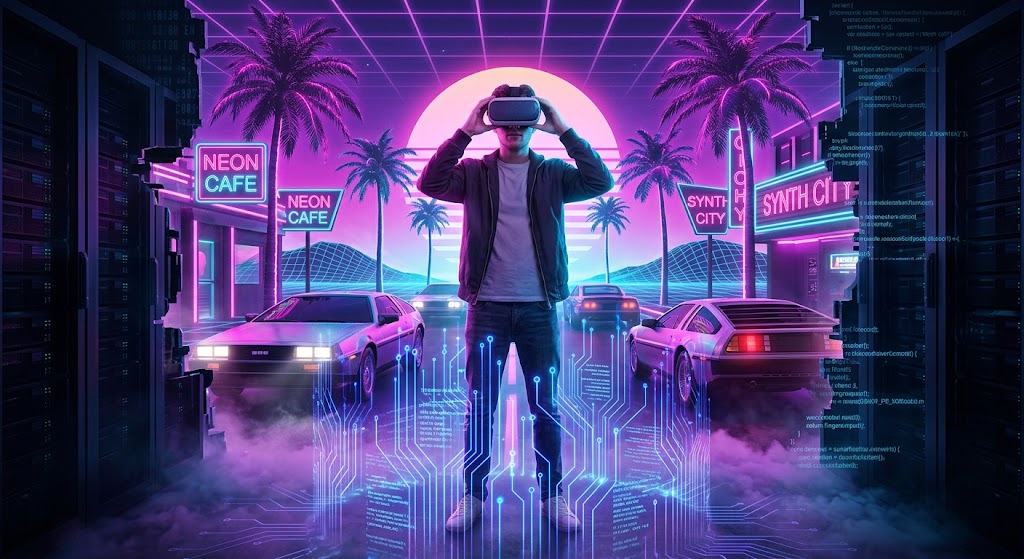
If you have scrolled through social media recently, you have likely noticed a massive resurgence of the 1980s. From neon-drenched synthwave music and vintage fashion to grainy, retro-style videos, the 80s aesthetic is everywhere. However, a recent analysis by the global news show Vantage on Firstpost highlighted a concerning new reality behind this trend: much of this nostalgia is no longer human-made. Instead, artificial intelligence has turned our love for the past into a digital trap.
The Artificial Assembly Line of Nostalgia
In the past, retro revivals were driven by genuine human appreciation—artists, musicians, and filmmakers paying homage to the era of their childhood. Today, advanced AI image generators, video tools, and music platforms can instantly produce thousands of 80s-themed media pieces in seconds.
The AI systems have learned exactly which colors, sounds, and visual styles trigger a comforting sense of nostalgia in the human brain. Consequently, the internet is being flooded with synthetic memories—music tracks from 80s bands that never existed and photographs of vintage parties that never happened.
Why is it a “Trap”?
The danger, as the report suggests, lies in the endless, algorithmically generated loop. When AI mass-produces nostalgia, it strips away the authentic cultural history of that decade. We become trapped in a highly polished, artificial version of the past, created not by human experience, but by machines optimizing for clicks and engagement. It creates a synthetic culture where it becomes increasingly difficult to tell the difference between genuine history and an AI-generated illusion.
As we navigate this new media landscape, critical thinking and digital awareness are more important than ever to ensure we do not lose our grip on reality while looking through rose-tinted, AI-generated glasses.
Leave a Reply