
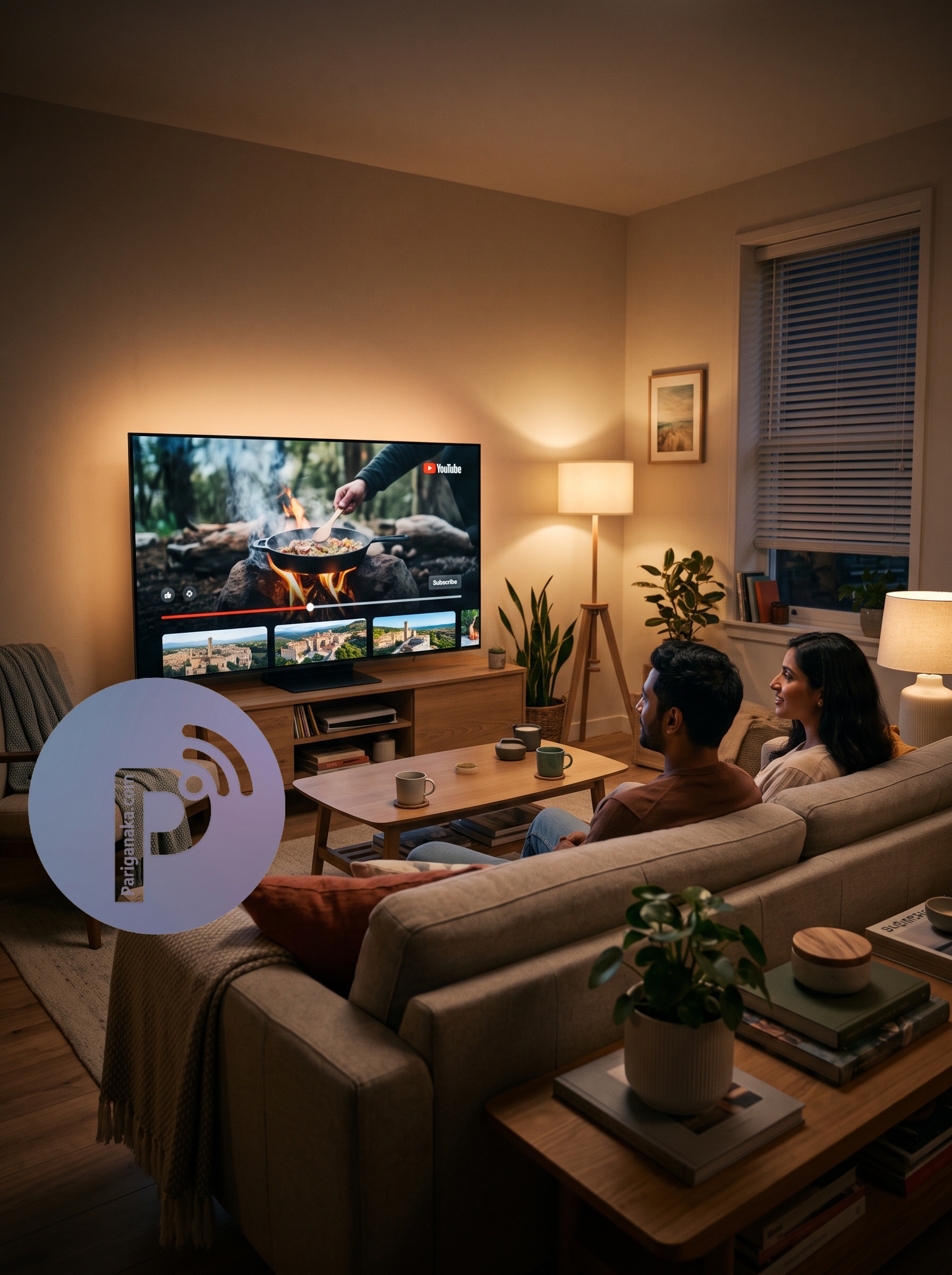
While the digital world has been obsessed with the rapid rise of short-form mobile video, YouTube has been quietly executing a massive strategic pivot. As we approach 2027, the platform is no longer just competing with TikTok or Instagram Reels; it is actively targeting the living room to dethrone traditional television and premium streaming giants like Netflix, Disney+, and Amazon Prime.
The Data: Dominating the Big Screen
The statistics behind this shift reveal a platform that has already established dominance on the biggest screen in the house.
- Viewership Share: YouTube now commands 13.5% of TV screen viewership, significantly outpacing Netflix’s 9.2%.
- Daily Watch Time: Active users are spending an astonishing 99 minutes per day watching YouTube on their smart TVs, compared to just 55 minutes on mobile devices.
- Total Consumption: On TV screens alone, YouTube generates a staggering 1 billion watch hours every single day, nearly double the 530 million watch hours seen on Netflix.
The Push for “Television-Quality” Creators
To support this living room takeover, YouTube is structurally pushing creators to act more like traditional production studios. The platform recently increased the monetization threshold to 8,000 watch hours, a move designed to filter and elevate creators capable of producing high-retention, long-form content.
Furthermore, YouTube has introduced features that allow creators to organize their content into “Seasons” and “Episodes,” directly mimicking the user interface of premium subscription networks. The financial incentive is also clear: advertisements projected on large 65-inch or 75-inch living-room screens command premium rates, resulting in significantly higher revenue shares for creators who can capture this audience.
Adapting the Creative Workflow
For digital creators aiming to build a lasting brand, surviving this shift requires a fundamental change in production style. The hyper-stimulating edits that work for mobile users are actively detrimental in a living room environment.
- Pacing Over Fast Cuts: The “TikTok style” of editing—characterized by rapid jump cuts, continuous sound effects, and aggressive pop-up animations—creates a jarring and distracting experience on a large TV. Creators must adopt a more professional, relaxed pace that allows the audience to absorb the information without visual fatigue.
- Premium Thumbnails: Thumbnails must evolve from cluttered, text-heavy designs to the clean, cinematic aesthetic seen on platforms like Netflix, utilizing minimal words (two to four at most) and high-quality imagery.
- Communal Viewing: Content designed for the TV screen is often watched in a shared living room setting. Creators who tailor their content to be viewable by diverse audiences—or who master the “sweet spot” between mobile and TV formatting—will hold a massive competitive advantage.
Ultimately, YouTube’s 2027 mission is clear. The platform is filtering out those who merely want to upload quick clips in favor of creators who want to build lasting, premium brands. For those willing to elevate their production quality to television standards, the living room is wide open.
Leave a Reply