
Artificial Intelligence is dominating economic discussions worldwide, but the conversation looks very different depending on where you are. While the Global North is laser-focused on pouring billions into Large Language Models (LLMs) and massive data centers, emerging markets are finding revolutionary value in something far more practical: “Small AI.”
In a recent interview with DW News, Makhtar Diop, Managing Director at the International Finance Corporation (the World Bank’s private sector arm), outlined a pragmatic and optimistic vision for AI in developing countries. Rather than competing in the trillion-dollar race for Artificial General Intelligence (AGI), the Global South is poised to transform its economies through targeted, accessible AI applications.
Here is a breakdown of how AI is rewriting the rules in the Global South, the challenges it faces, and what must happen to ensure these nations aren’t left behind.
The Power of “Small AI”
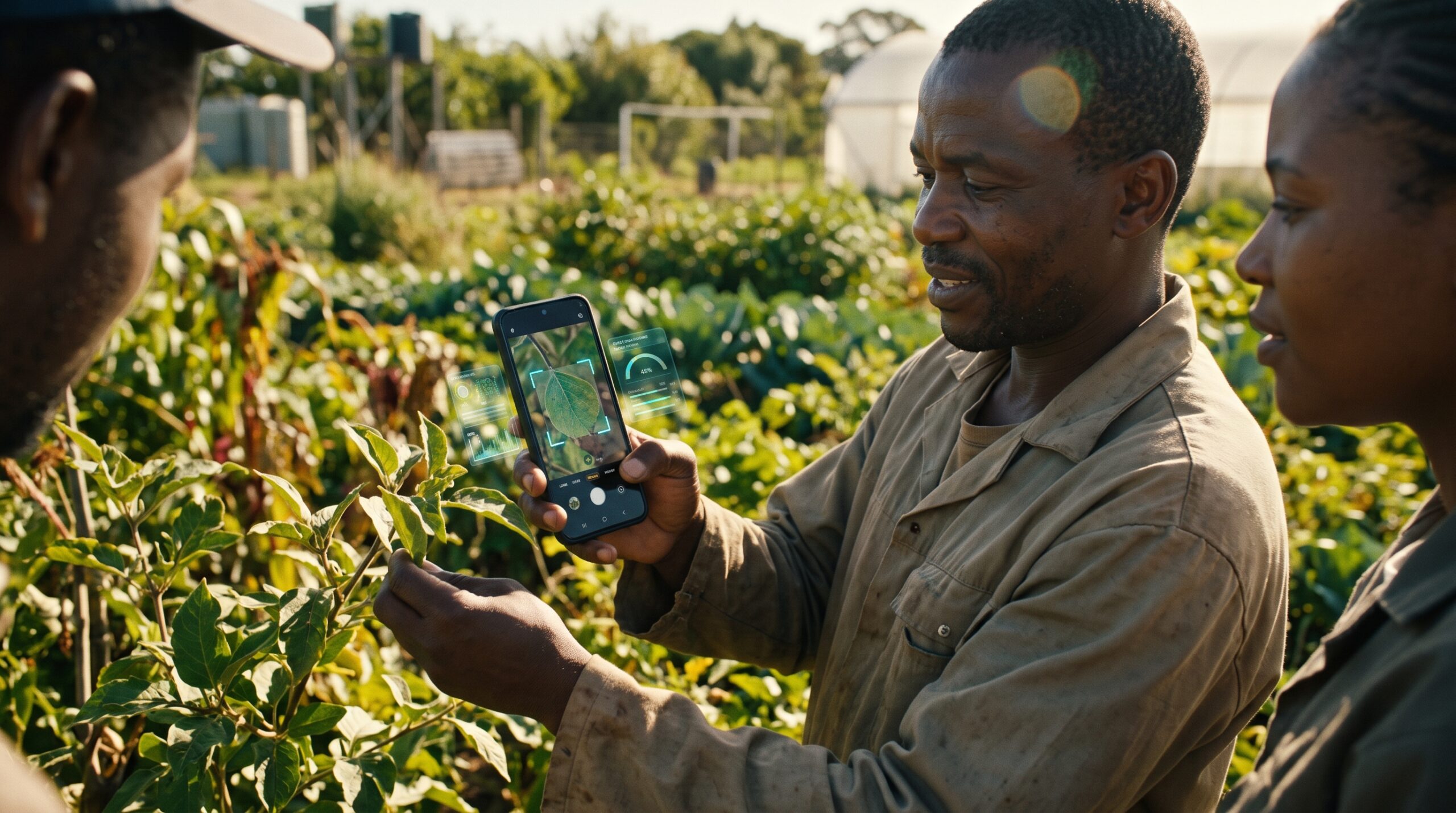
When we think of AI, we often imagine chatbots or complex autonomous systems. However, “Small AI” refers to simpler, highly effective technology accessed primarily through smartphones.
Diop illustrates the massive impact this has on everyday lives in developing countries:
- Agriculture: A farmer can take a photo of their crops, upload it via their phone, and instantly receive AI-generated advice on how to improve yields or treat plant diseases.
- Healthcare: Users can photograph a skin rash or cough into their phone’s microphone to allow AI to screen for conditions like tuberculosis.
This localized technology bridges the gap between limited physical infrastructure and the immediate needs of the population, offering sophisticated services to people who might not have a doctor or agricultural expert nearby.
Will AI Destroy Jobs in Emerging Markets?
A common fear globally is that AI will decimate the labor market. While Diop acknowledges that AI will displace certain repetitive, entry-level jobs, his outlook for the Global South remains remarkably positive.
Instead of mass unemployment, small AI is expected to serve as a massive productivity multiplier. By allowing small and medium-sized enterprises (MSMEs) and independent workers to access sophisticated tools, AI can elevate their output. Furthermore, the tech will spawn new job categories focused on data handling, digital infrastructure, and roles requiring a distinctly human touch, such as nursing and elder care.
The Big Divide: Small AI vs. Large Language Models
Why aren’t developing nations building the next ChatGPT? The reality comes down to resources.
The US and China currently dominate the LLM space because these models require immense capital, perfectly organized data sets, massive energy grids, and specialized human capital. Developing nations currently lack these specific resources. Therefore, their role in the short term is focused on the application of Small AI rather than the foundational training of massive global models.
However, the Global South holds something the Big Tech giants desperately need: diverse raw data. From diverse facial features for accurate facial recognition to unique genomic sequences for precision medicine, global AI models require data from developing nations to avoid bias and increase accuracy. Diop stresses that developing nations must leverage this raw data to negotiate better terms and ensure they profit from the models they help refine.
The 4 Prerequisites for AI Success in the Global South
For developing nations to truly capitalize on the AI revolution, foundational infrastructure must be addressed first. Diop outlines four critical priorities:
- Electricity: This is the absolute baseline. You cannot use a smartphone or run a local data center without power. Initiatives like the World Bank’s Mission 300 (M300) aim to connect 300 million people in Africa to electricity.
- Internet Access & Hardware: Expanding fiber optic networks and satellite internet solutions is crucial. Additionally, making smartphones (handsets) more affordable is essential so citizens can actually access these AI tools.
- Local Data Centers: Rather than relying on massive, energy-hungry data centers abroad, building smaller local data centers reduces latency and lowers data processing costs.
- Data Privacy Regulations: As more data is generated, governments must enact strict privacy regulations. This ensures citizens are protected and that the country receives a return on the raw data extracted by foreign tech giants.
Looking Ahead
The Global South does not have to be at the mercy of the technological superpowers, provided they strategically position themselves. By focusing on Small AI for immediate productivity gains, building foundational infrastructure, and fiercely protecting their citizens’ data rights, developing nations can ensure they aren’t just consumers in the AI revolution—but empowered participants.
Leave a Reply