
The rapid advancement of artificial intelligence is provoking widespread debate about the future of employment across nearly every industry. But how do the people actually building these highly capable systems feel about their own job security? According to a former researcher at Anthropic, the sentiment inside some of the world’s leading AI labs is blunt, sobering, and widely accepted: they are actively building their own replacements.
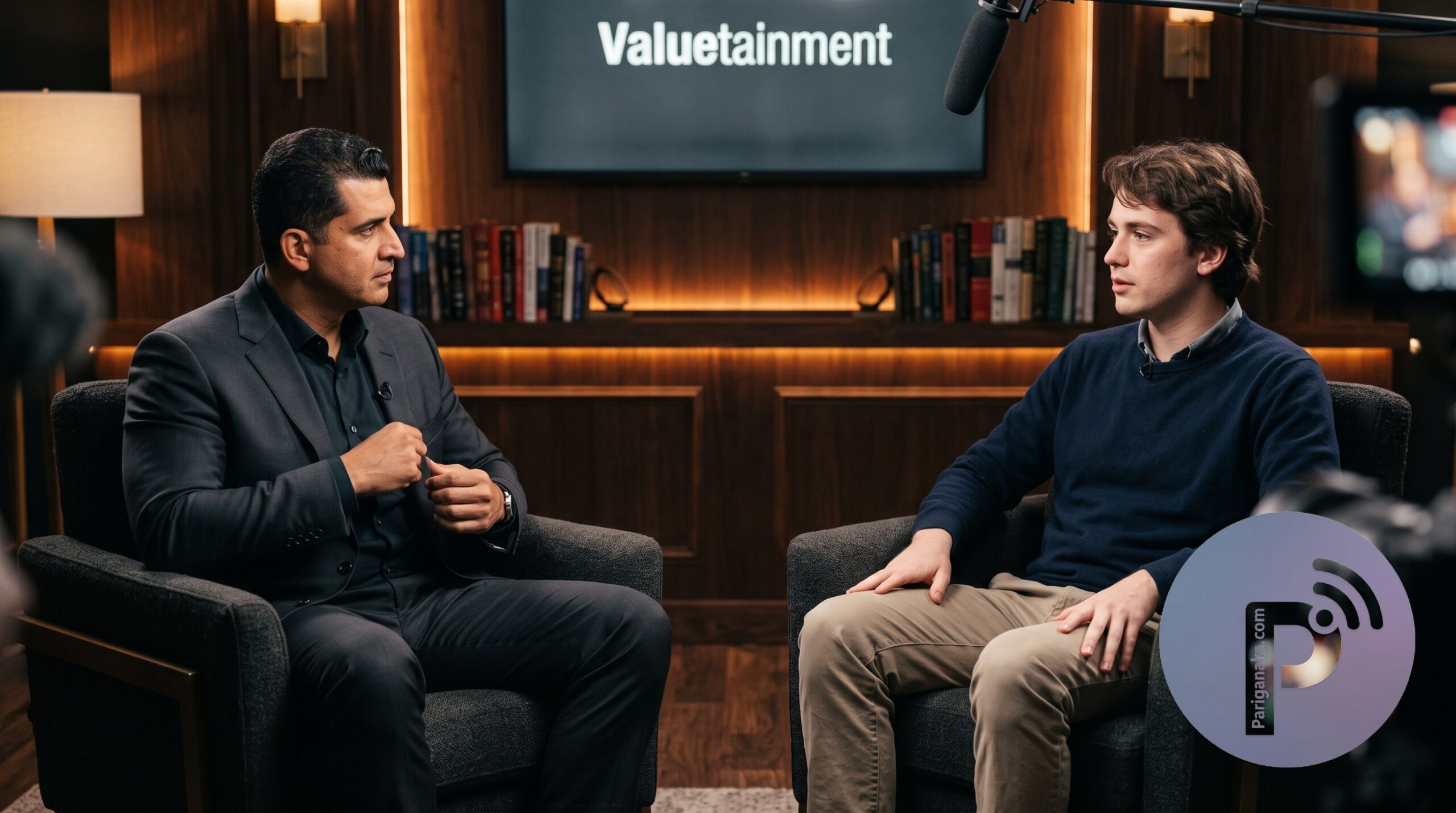
In a recent interview on the Valuetainment channel, the ex-Anthropic employee provided a rare, behind-the-scenes look at the culture and expectations of the engineers, researchers, and developers driving the AI revolution.
“Everyone Knows It”: The Inevitability of AI Replacement
When asked how many employees at top-tier AI firms realize they are engineering systems that will eventually render their own jobs obsolete, the researcher’s answer was unequivocal: “Everyone. That’s just a fact. Everyone knows it.”
While current AI agents and large language models (LLMs) still require significant human oversight and control, the trajectory is clear to those on the inside. The exact timeline for when AI systems will reach a level of autonomy that makes human intervention unnecessary remains uncertain, but the anticipation of that moment is deeply ingrained in the culture of these organizations.
“Everyone anticipates it,” the researcher noted. “They’re all like, ‘We’re going to be at some point we won’t have a job.'”
The Ethics of “Life Insurance” for AI Creators
If the creators of AI are actively working toward their own obsolescence, what happens to them when that day arrives? The answer varies significantly depending on the company.
According to the researcher, Anthropic’s leadership has proactively addressed this existential anxiety. Dario Amodei, the CEO and co-founder of Anthropic, has reportedly discussed making commitments to employees if they are eventually replaced by the systems they built. This creates an implicit understanding among Anthropic staff that they will be “taken care of” and “looked after” when the time comes.
However, this “life insurance policy” for AI developers raises complex ethical questions. Providing financial safety nets for the creators of disruptive technology, while the rest of the global workforce faces replacement without such assurances, creates a stark divide.
“It sets a bad [precedent]… what about the people that don’t work there? What about all the people that are going to get replaced at other companies?” the host questioned. The researcher agreed that while it is reassuring for the employees, it “doesn’t look great” from an external perspective when millions of other workers will lose their jobs without the same elite safety nets.
Conversely, the researcher noted that OpenAI has not made similar public or widely known internal commitments regarding the future obsolescence of its workforce.
Anthropic vs. OpenAI: An Insider’s Investment Perspective
Beyond the philosophical and employment implications of AGI (Artificial General Intelligence), the researcher also shared thoughts on the competitive landscape between major AI labs.
When asked where he would place his bets as an investor, the researcher firmly pointed toward Anthropic over OpenAI or Google. He attributes Google’s lag behind OpenAI to culture and focus, noting that despite Google’s vast resources and talent, OpenAI has maintained a sharper focus on building LLMs.
However, he believes Anthropic is even more tightly focused than OpenAI. While acknowledging that OpenAI might be shifting its culture to become more focused recently, he stated that if he were investing, he would “definitely” go long on Anthropic, citing their intense drive and focus as key indicators of future dominance. “These guys are going to eat capitalism alive,” the researcher added, emphasizing the sheer economic potential of Anthropic’s future trajectory.
Navigating the Public Spotlight
The researcher’s insights follow a viral tweet that thrust him into the public eye, resulting in a flooded inbox filled with messages ranging from standard internet eccentricities to direct outreach from major political figures.
He revealed that staffers from several politicians, including Bernie Sanders, had reached out. In one bizarre instance, he was invited to a joint rally featuring both Steve Bannon and Bernie Sanders—a testament to how AI as an issue crosses traditional partisan lines. However, the researcher, who is originally from the UK, declined the invitation, expressing a desire to avoid becoming entangled in the polarized world of US politics.
Conclusion
The interview paints a fascinating, if somewhat unsettling, picture of the inner workings of elite AI labs. The people building the future of artificial intelligence are not naive about the consequences of their work. They are acutely aware that the finish line of their current projects involves making themselves redundant. As the race to build increasingly autonomous systems accelerates, the question is no longer if human workers will be replaced, but how society—and the companies building the technology—will handle the fallout when they are.
Leave a Reply