
Category: ENGLISH
-
As artificial intelligence and hyper-connected mobile technologies reshape modern life, society faces a quiet crisis that goes far beyond economic disruption or shifting labor markets. In a compelling discussion, renowned neuroscientist and House of Lords member Baroness Susan Greenfield issued a profound warning regarding the long-term impact of screens and AI on human cognition, emotional…
-
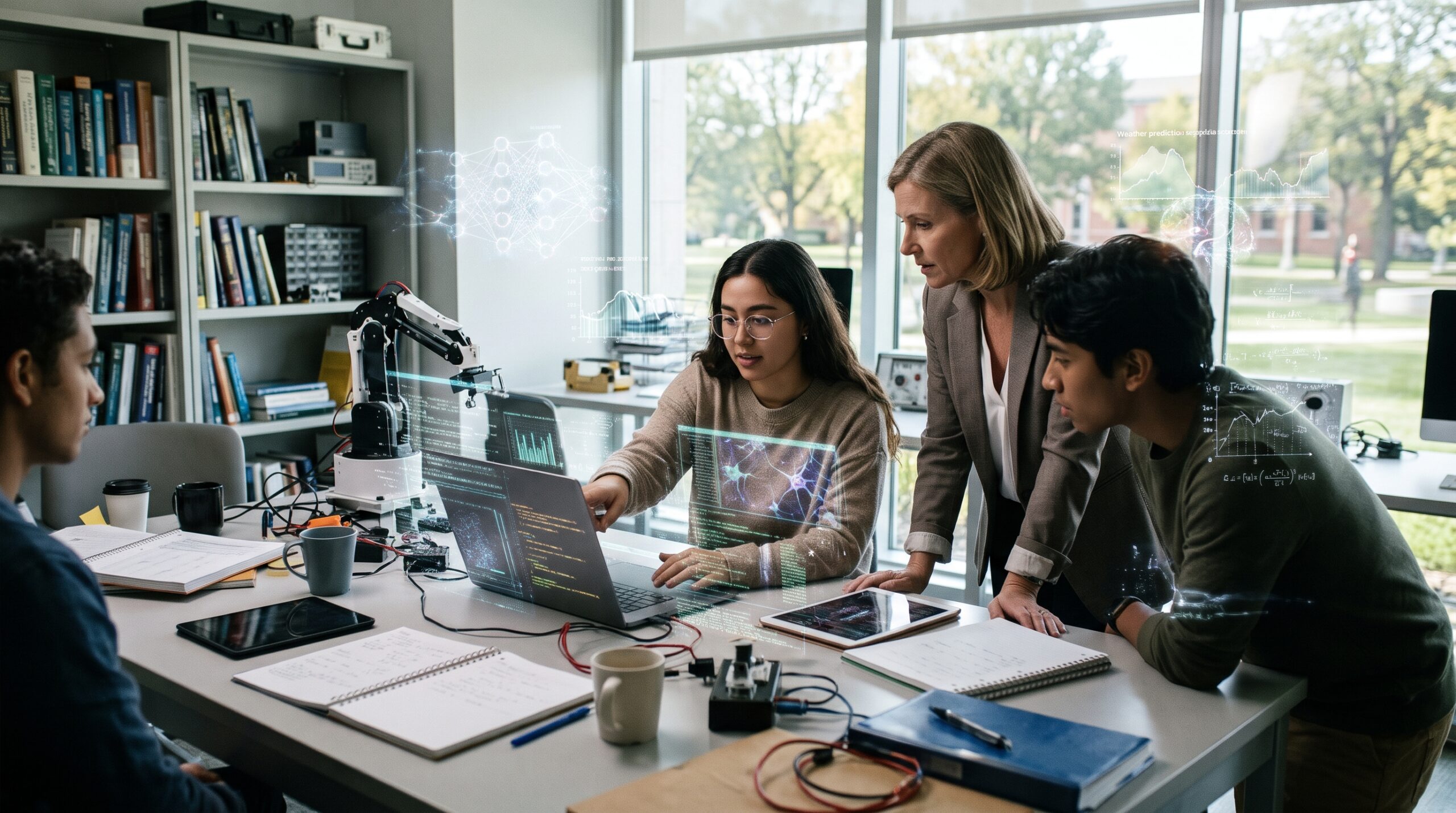
As artificial intelligence reshapes the boundaries of scientific discovery, many find themselves wondering what place humans will hold in this new paradigm. Google Research Principal Product Manager Lizzie Dorfman recently shed light on this evolving landscape, offering a compelling perspective: AI is not here to replace our core skills; it is here to amplify them.…
-

As the global discourse around artificial intelligence continues to shift, one enduring assumption has been that junior workers and entry-level employees are at the greatest risk of replacement. However, new research emerging from top institutions suggests the exact opposite might be true. Harvard Business School Professor Karim Lakhani, whose recent randomized experiments with organizations like…
-
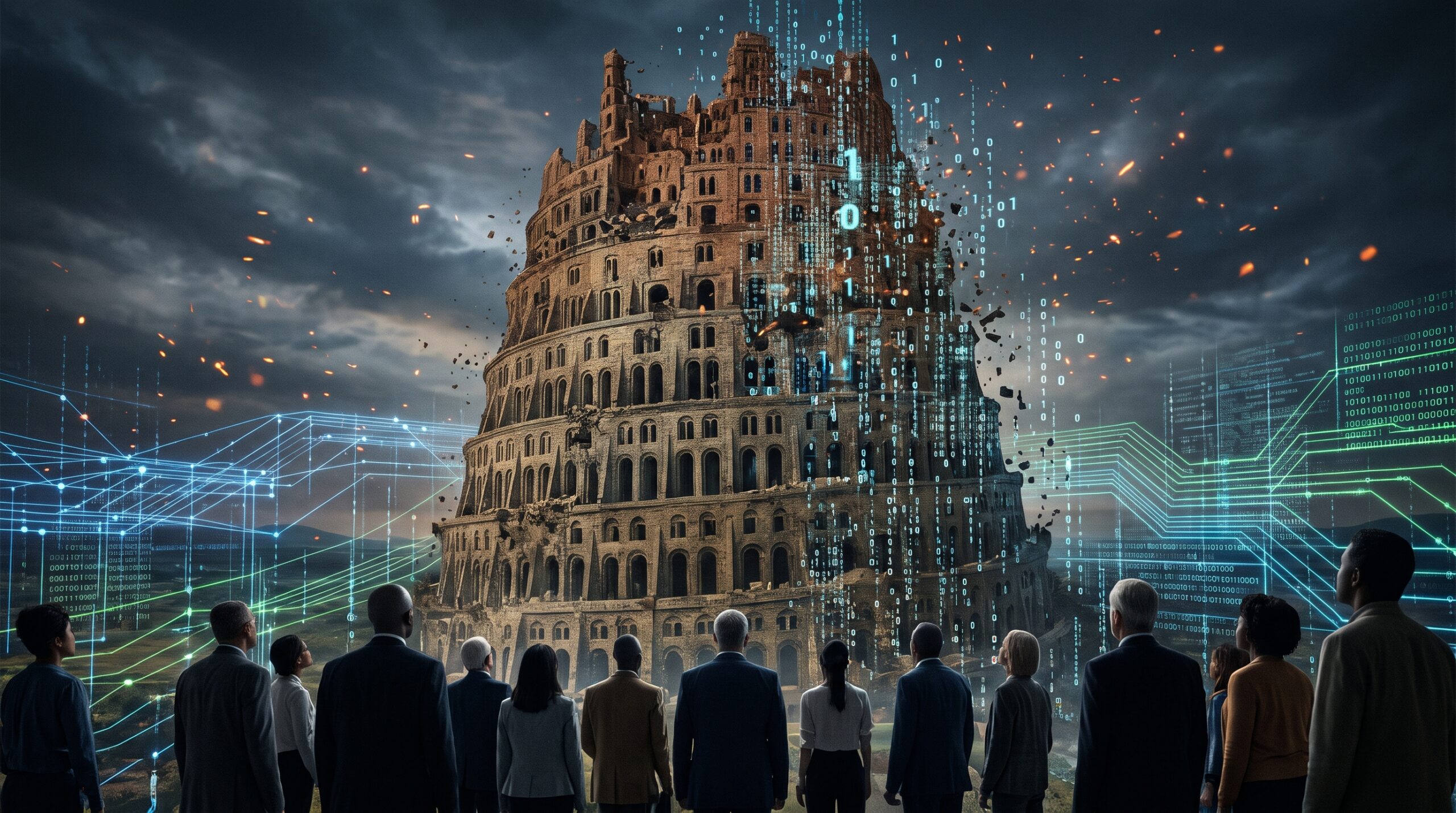
The artificial intelligence revolution presents humanity with an unprecedented leadership challenge, distinct from any technological shift in our history. In a recent address, Yuval Noah Harari framed this moment by returning to the biblical myth of the Tower of Babel. In the ancient story, humans used a common language to cooperate and challenge the heavens,…
-
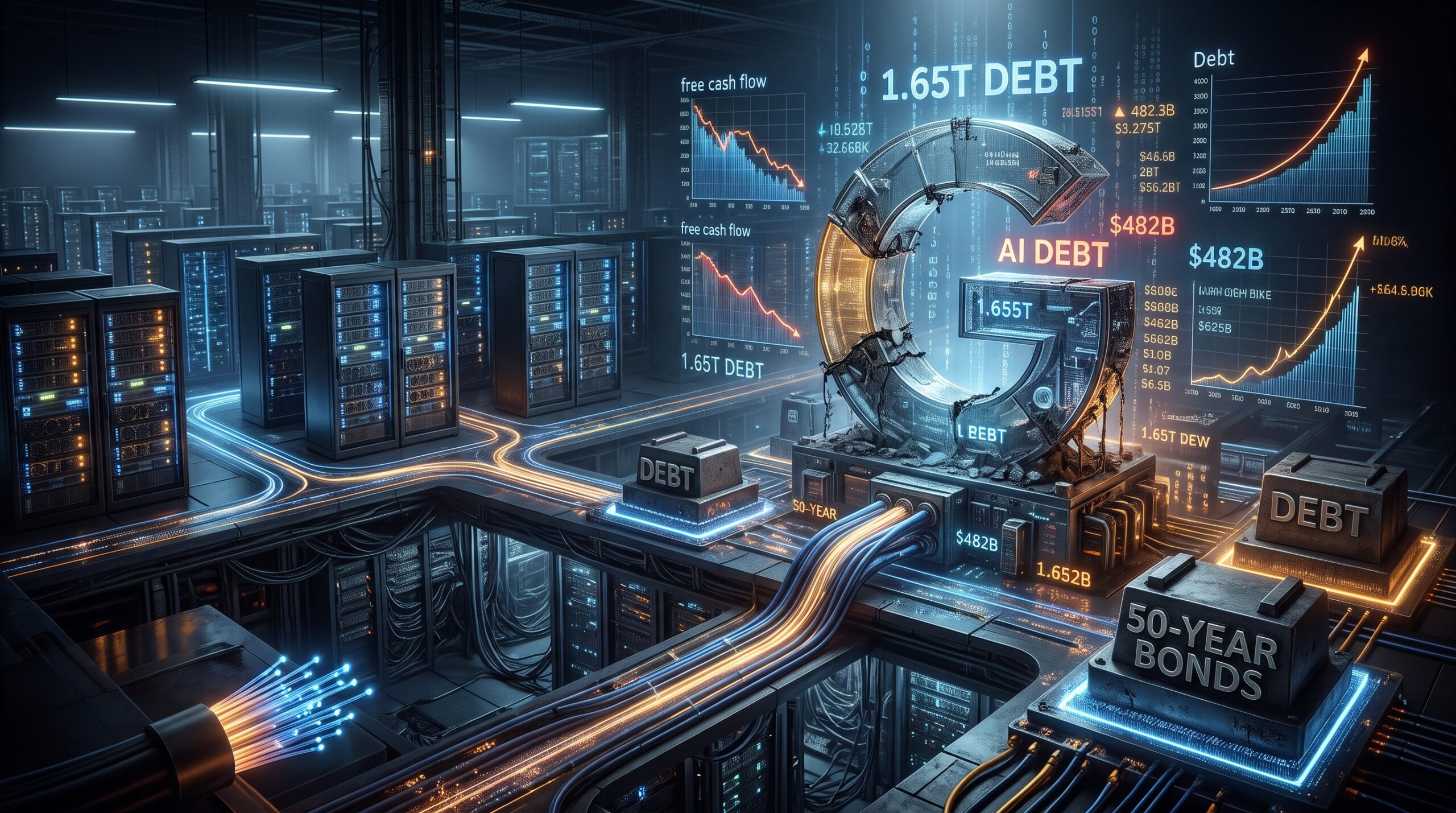
The technology industry is experiencing a massive surge in infrastructure spending driven by artificial intelligence, fundamentally altering the financial strategies of major players like Alphabet. Financial disclosures indicate that Google has recorded negative free cash flow, a direct consequence of explosive AI-related investments. The company spent an estimated $45 billion, with 60% directed toward servers…
-

The intersection of artificial intelligence and neurobiology is undergoing a paradigm shift, largely driven by unprecedented efforts to decode the biological foundations of intelligence. In a landmark achievement culminating nearly two decades of research, scientists from Google Research and the Howard Hughes Medical Institute’s Janelia Research Campus recently mapped the entire central nervous system of…
-

During the “Code Era,” humanity engineered the most expansive communication networks in history, connecting billions of people across the globe. Yet, in a tragic irony, we simultaneously experienced the highest rates of loneliness ever recorded. Social media and dating algorithms optimized for engagement and surface-level matching, leaving us hyper-connected but profoundly unseen. In the “Beyond…
-
For millennia, the night was a biological frontier that technology could never fully tame. During the “Code Era,” we tried desperately to reclaim it, using sleep-trackers on our wrists, blue-light filters on our glowing screens, and digital soundscapes to coax ourselves into slumber. Yet, our hyper-connected, high-stress lifestyle left us more exhausted than ever. Sleep…
-
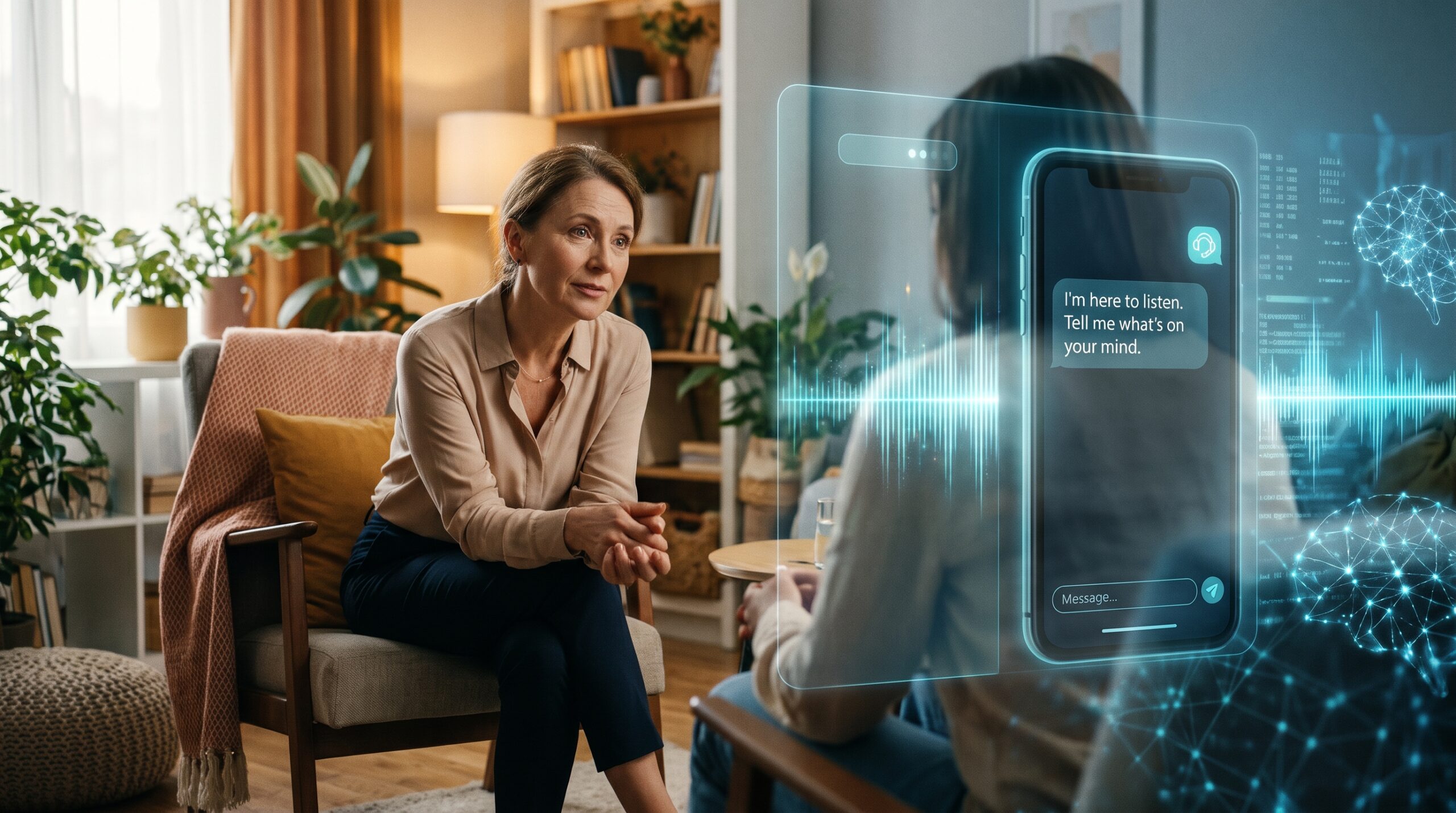
With a rising number of people suffering from psychological distress and facing agonizingly long wait times for therapy appointments, the prospect of an instantly available, AI-driven therapist is increasingly appealing. The documentary “Artificial Intelligence and Psychotherapy” explores this intersection, examining whether generative AI models like ChatGPT can serve as viable supplements to traditional human therapists.…
-
For centuries, human education was modeled after the industrial assembly line. During the “Code Era,” we batched children by age, placed them in rigid rows, and fed them a standardized curriculum at a standardized pace. Knowledge was treated as a finite destination: you spent the first quarter of your life “learning,” and the remaining three-quarters…